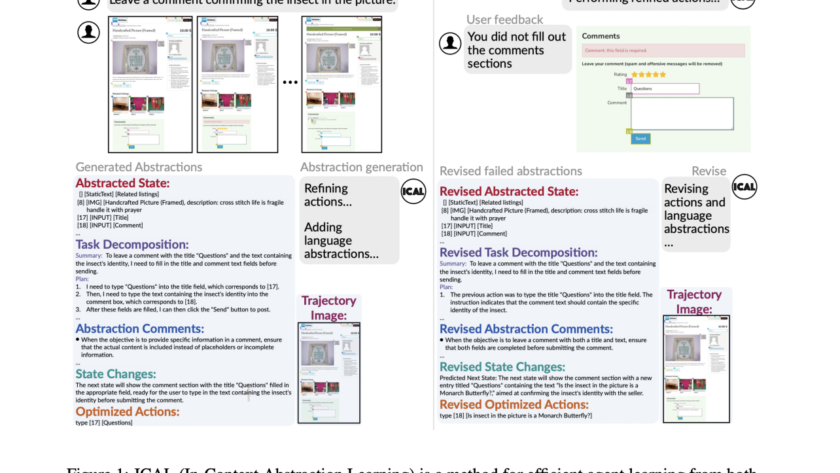
Humans are versatile; they can quickly apply what they’ve learned from little examples to larger contexts by combining new and old information. Not only can they foresee possible setbacks and determine what is important for success, but they swiftly learn to adjust to different situations by practicing and receiving feedback on what works. This process…
Computer vision, one of the major areas of artificial intelligence, focuses on enabling machines to interpret and understand visual data. This field encompasses image recognition, object detection, and scene understanding. Researchers continuously strive to improve the accuracy and efficiency of neural networks to tackle these complex tasks effectively. Advanced architectures, particularly Convolutional Neural Networks (CNNs),…
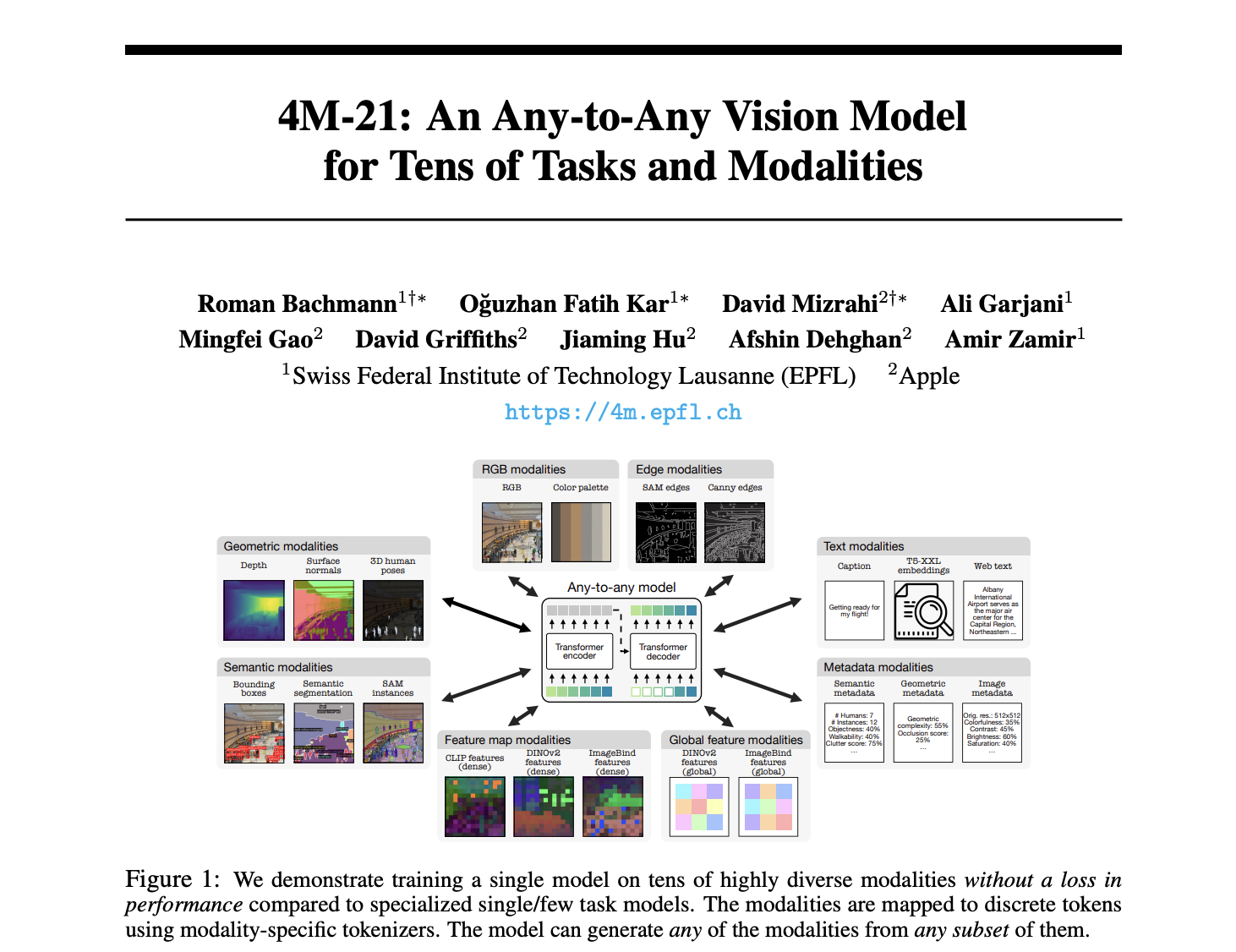
Large language models (LLMs) have made significant strides in handling multiple modalities and tasks, but they still need to improve their ability to process diverse inputs and perform a wide range of tasks effectively. The primary challenge lies in developing a single neural network capable of handling a broad spectrum of tasks and modalities while…
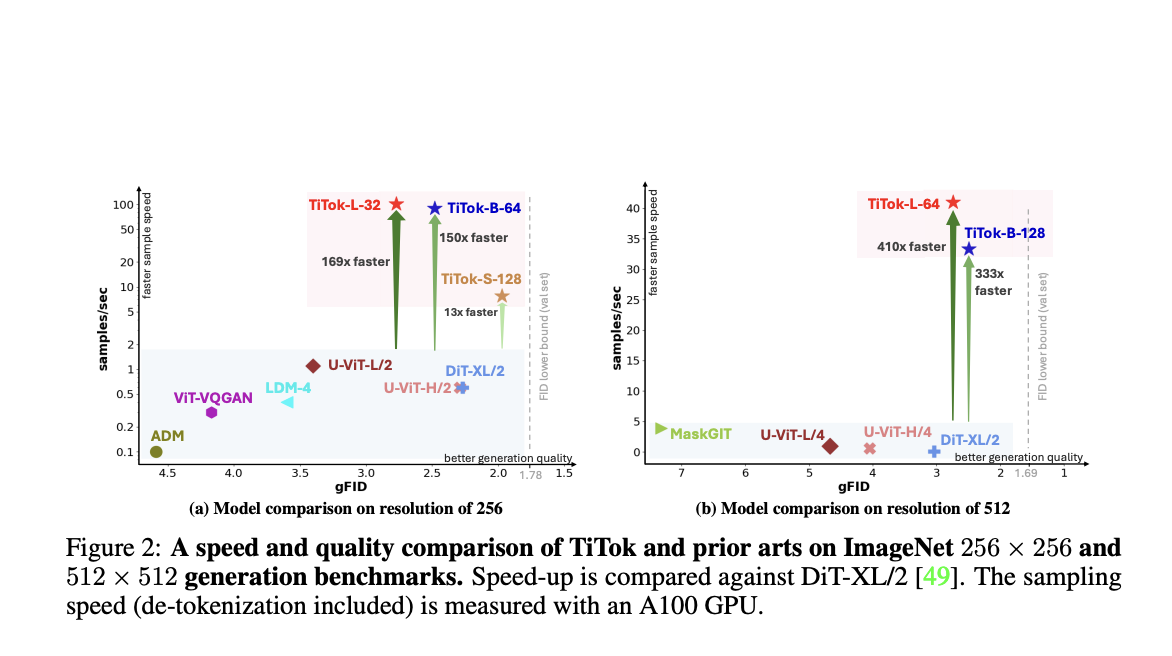
In recent years, image generation has made significant progress due to advancements in both transformers and diffusion models. Similar to trends in generative language models, many modern image generation models now use standard image tokenizers and de-tokenizers. Despite showing great success in image generation, image tokenizers encounter fundamental limitations due to the way they are…
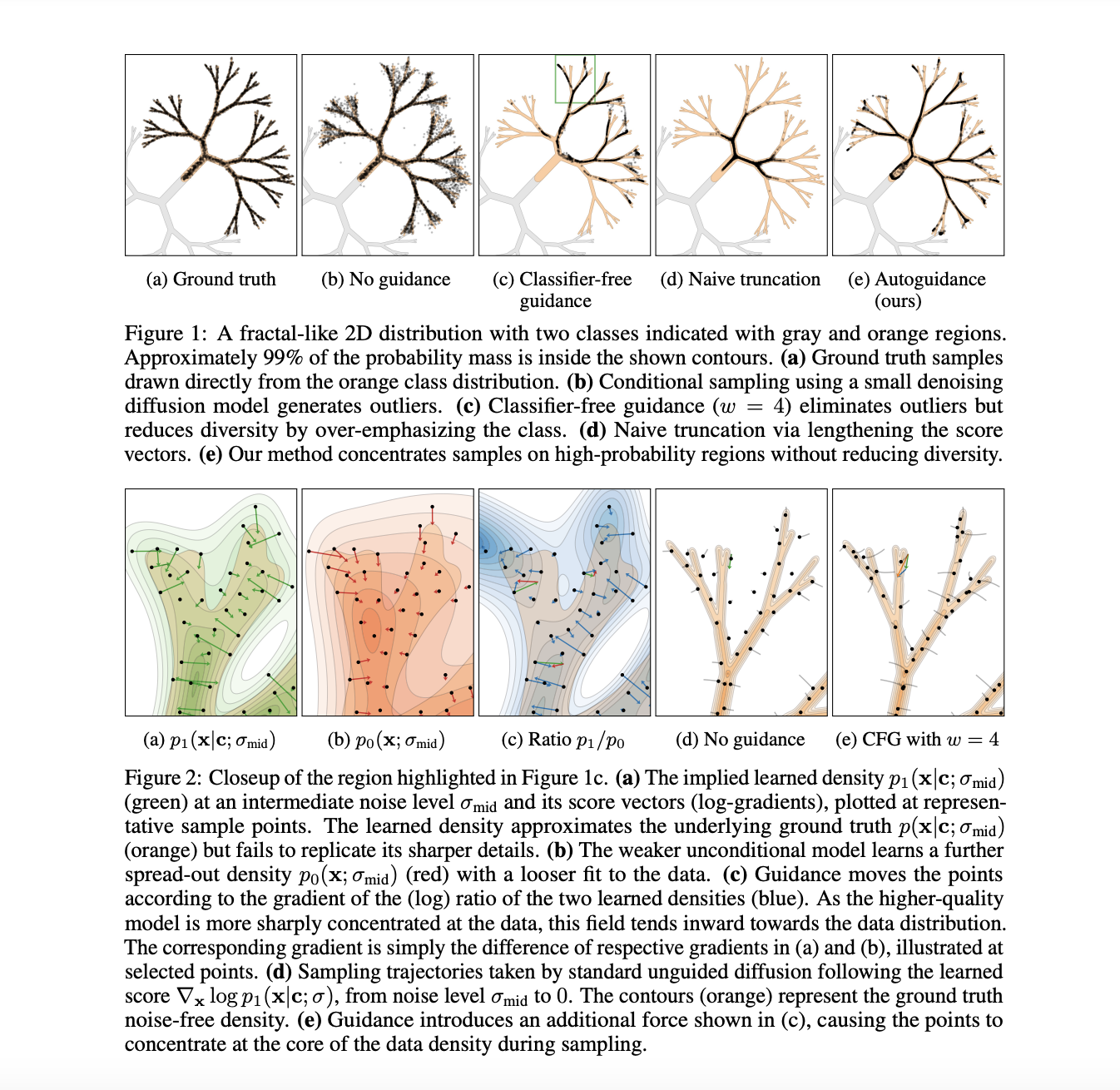
Improving image quality and variation in diffusion models without compromising alignment with given conditions, such as class labels or text prompts, is a significant challenge. Current methods often enhance image quality at the expense of diversity, limiting their applicability in various real-world scenarios such as medical diagnosis and autonomous driving, where both high quality and…
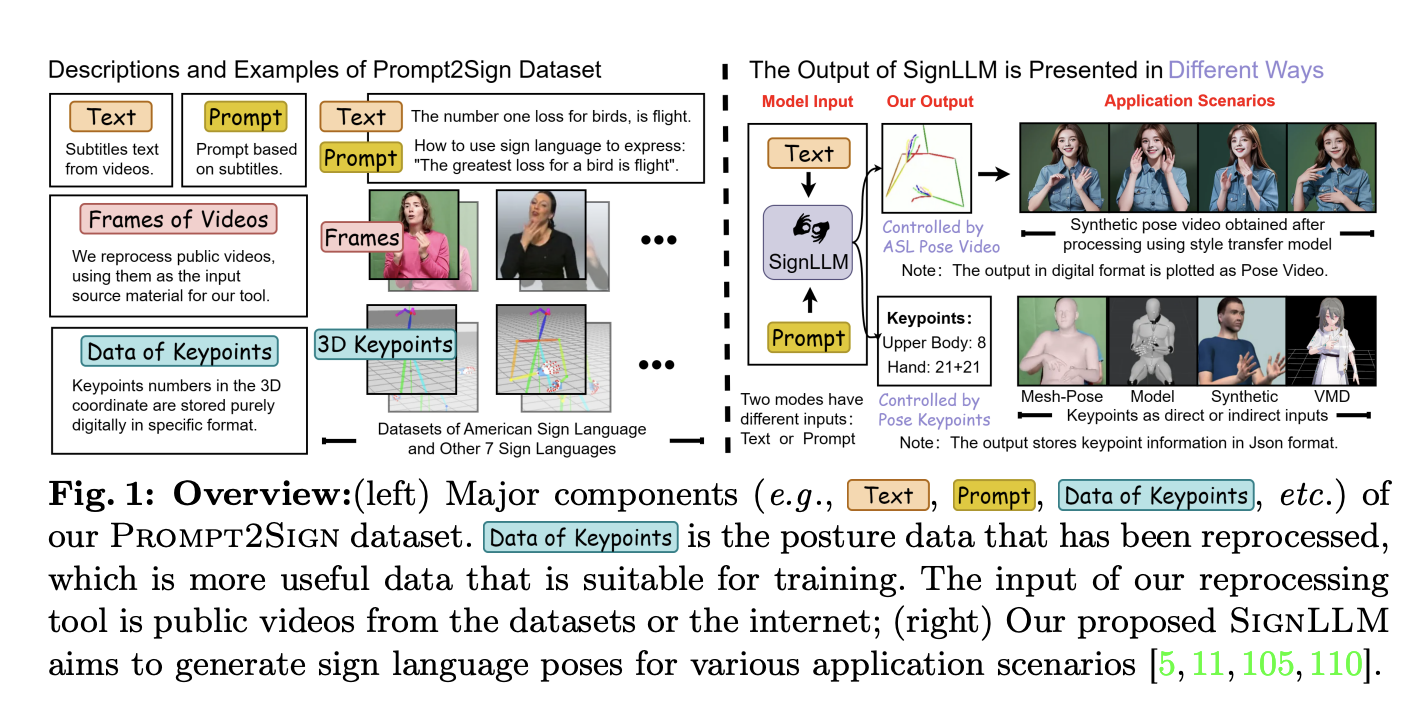
SignLLM: A Multilingual Sign Language Model that can Generate Sign Language Gestures from Input Text
The primary goal of Sign Language Production (SLP) is to create sign avatars that resemble humans using text inputs. The standard procedure for SLP methods based on deep learning involves several steps. First, the text is translated into gloss, a language that represents postures and gestures. This gloss is then used to generate a video…
Multimodal Large Language Models (MLLMs) represent an advanced field in artificial intelligence where models integrate visual and textual information to understand and generate responses. These models have evolved from large language models (LLMs) that excelled in text comprehension and generation to now also processing and understanding visual data, enhancing their overall capabilities significantly.
The main…
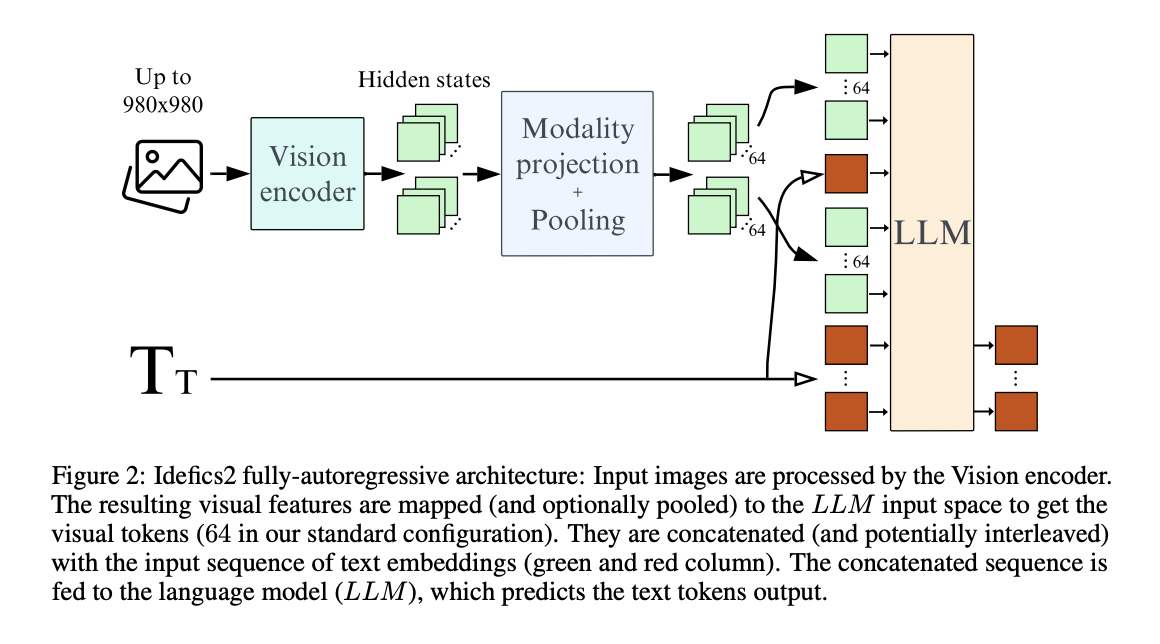
Vision-language models (VLMs), capable of processing both images and text, have gained immense popularity due to their versatility in solving a wide range of tasks, from information retrieval in scanned documents to code generation from screenshots. However, the development of these powerful models has been hindered by a lack of understanding regarding the critical design…
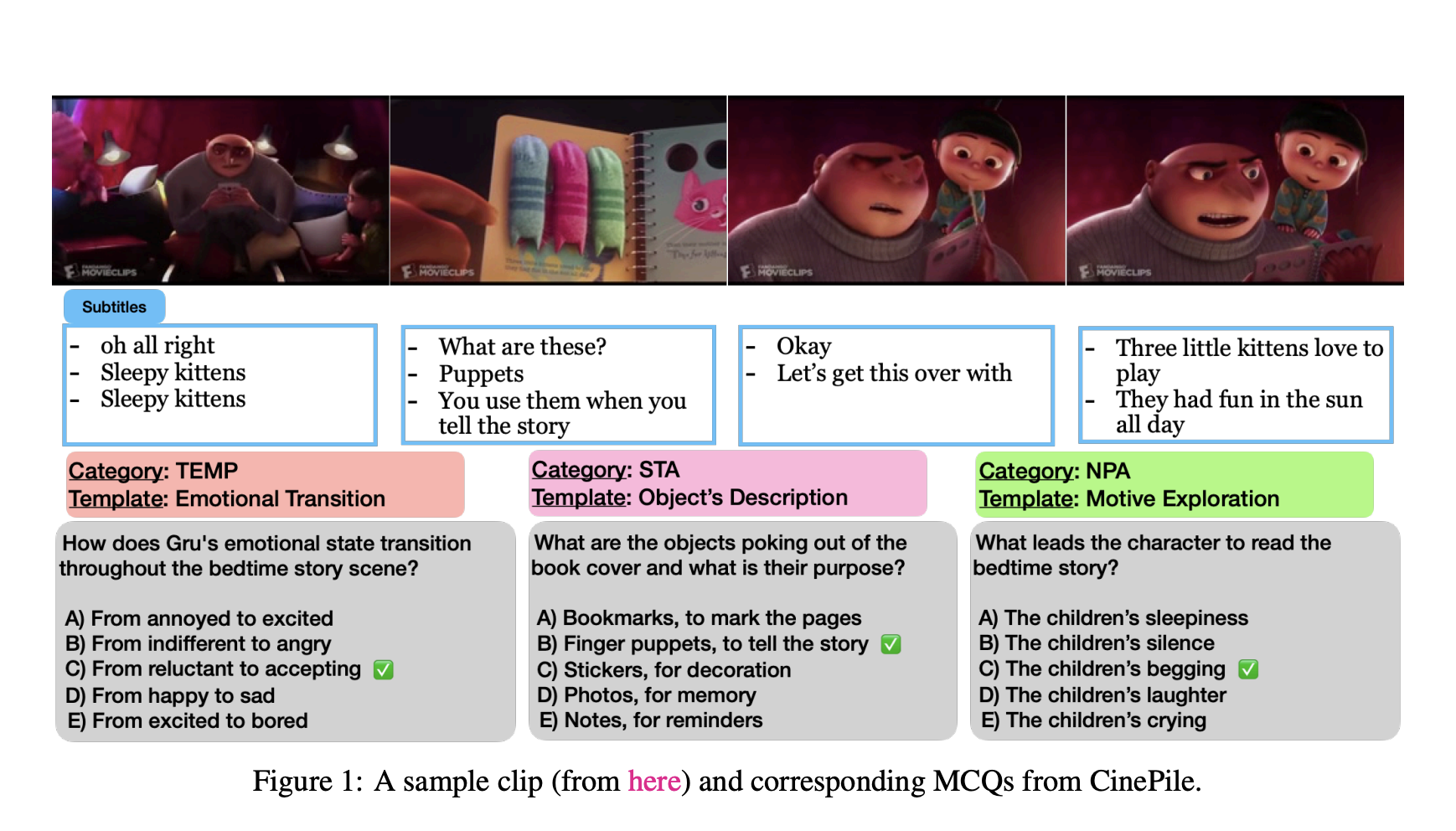
Video understanding is one of the evolving areas of research in artificial intelligence (AI), focusing on enabling machines to comprehend and analyze visual content. Tasks like recognizing objects, understanding human actions, and interpreting events within a video come under this domain. Advancements in this domain find crucial applications in autonomous driving, surveillance, and entertainment industries.…
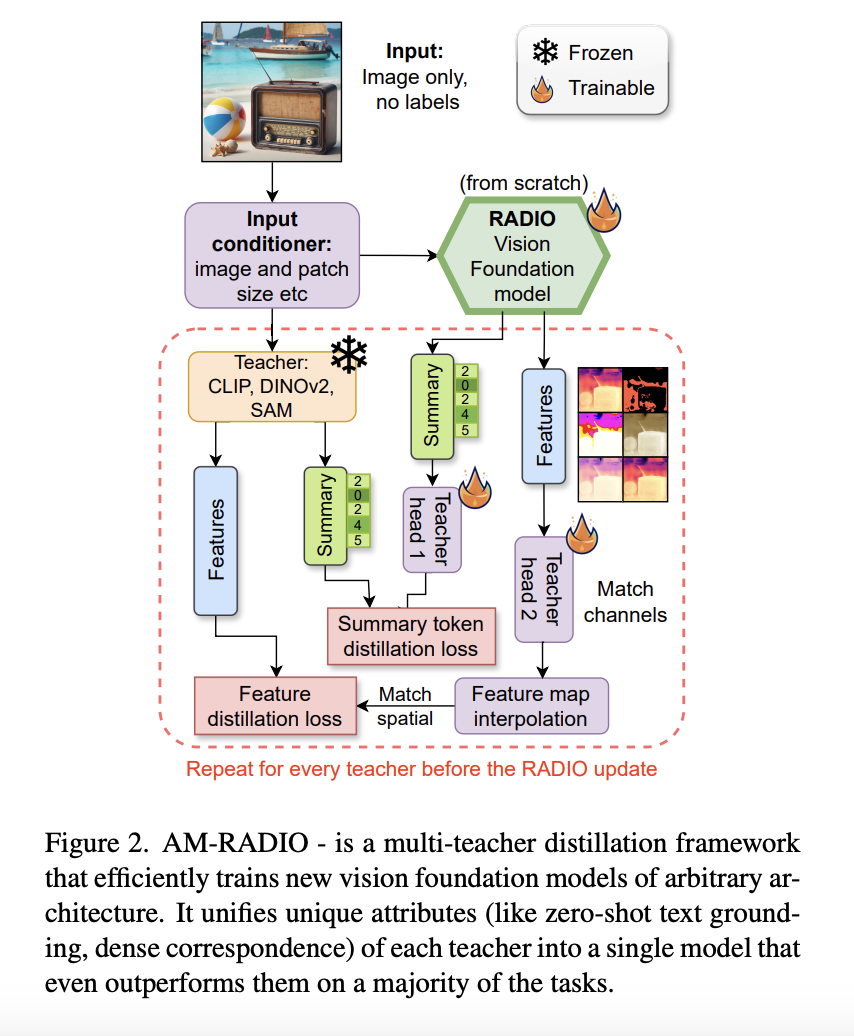
Knowledge Distillation has gained popularity for transferring the expertise of a “teacher” model to a smaller “student” model. Initially, an iterative learning process involving a high-capacity model is employed. The student, with equal or greater capacity, is trained with extensive augmentation. Subsequently, the trained student expands the dataset through pseudo-labeling new data. Notably, the student…