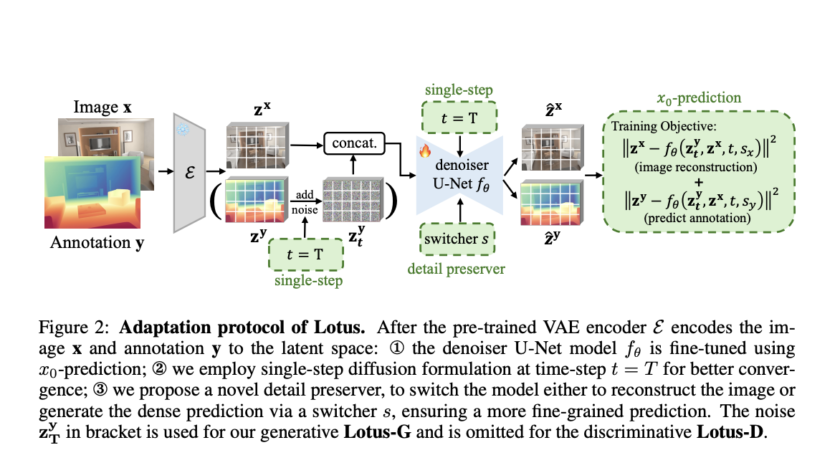
Dense geometry prediction in computer vision involves estimating properties like depth and surface normals for each pixel in an image. Accurate geometry prediction is critical for applications such as robotics, autonomous driving, and augmented reality, but current methods often require extensive training on labeled datasets and struggle to generalize across diverse tasks.
Existing methods for…
Biomedical vision models are increasingly used in clinical settings, but a significant challenge is their inability to generalize effectively due to dataset shifts—discrepancies between training data and real-world scenarios. These shifts arise from differences in image acquisition, changes in disease manifestations, and population variance. As a result, models trained on limited or biased datasets often…
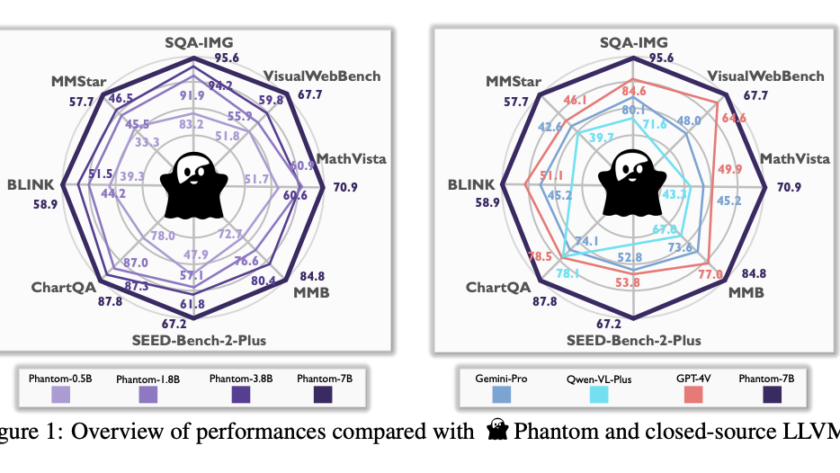
Large language and vision models (LLVMs) face a critical challenge in balancing performance improvements with computational efficiency. As models grow in size, reaching up to 80B parameters, they deliver impressive results but require massive hardware resources for training and inference. This issue becomes even more pressing for real-time applications, such as augmented reality (AR), where…
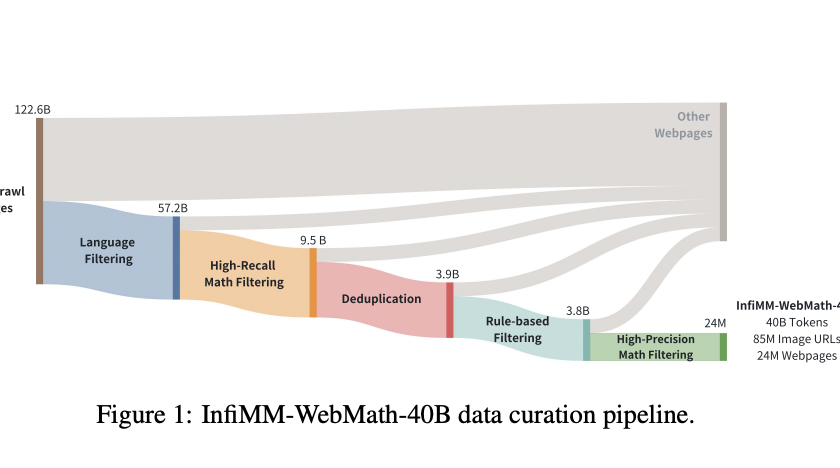
Artificial intelligence has significantly enhanced complex reasoning tasks, particularly in specialized domains such as mathematics. Large Language Models (LLMs) have gained attention for their ability to process large datasets and solve intricate problems. The mathematical reasoning capabilities of these models have vastly improved over the years. This progress has been driven by advancements in training…
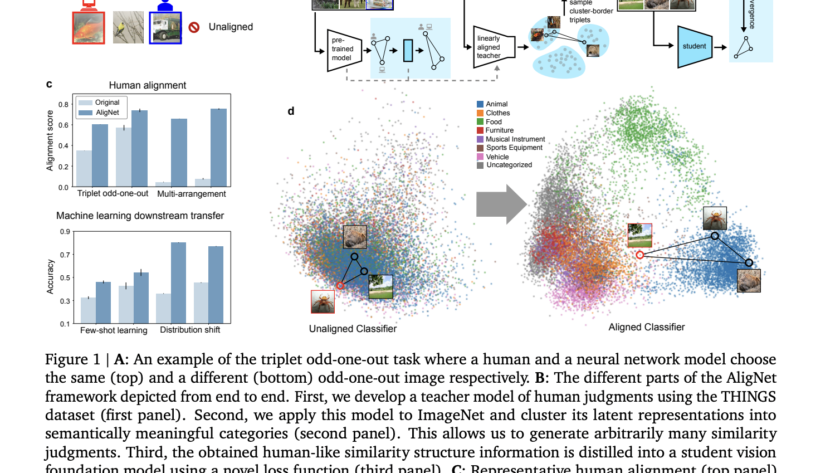
Deep learning has made significant strides in artificial intelligence, particularly in natural language processing and computer vision. However, even the most advanced systems often fail in ways that humans would not, highlighting a critical gap between artificial and human intelligence. This discrepancy has reignited debates about whether neural networks possess the essential components of human…
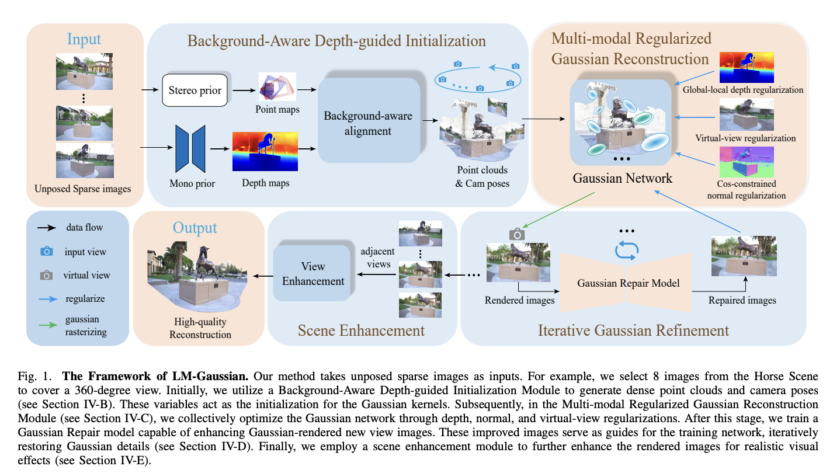
Recent advancements in sparse-view 3D reconstruction have focused on novel view synthesis and scene representation techniques. Methods like Neural Radiance Fields (NeRF) and 3D Gaussian Splatting (3DGS) have shown significant success in accurately reconstructing complex real-world scenes. Researchers have proposed various enhancements to improve performance, speed, and quality. Sparse view scene reconstruction techniques employ regularization…
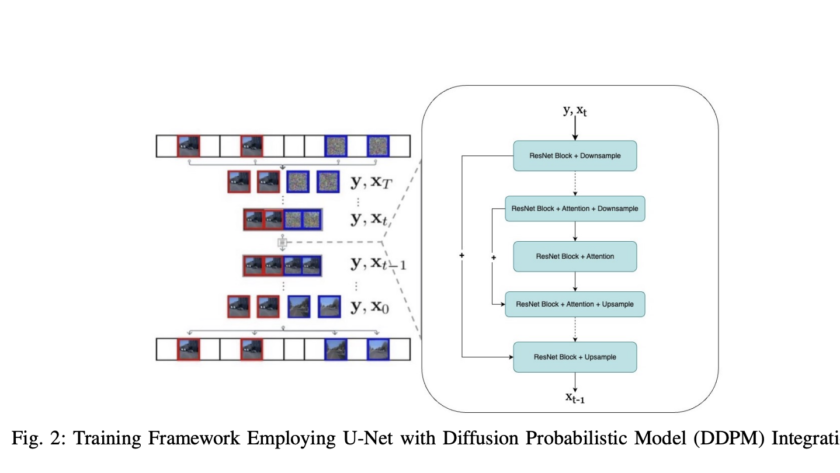
Integrating advanced predictive models into autonomous driving systems has become crucial for enhancing safety and efficiency. Camera-based video prediction emerges as a pivotal component, offering rich real-world data. Content generated by artificial intelligence is presently a leading area of study within the domains of computer vision and artificial intelligence. However, generating photo-realistic and coherent videos…
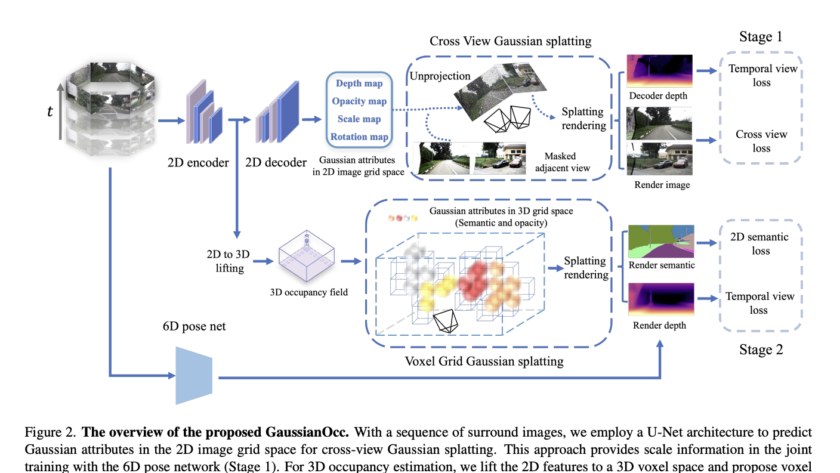
3D occupancy estimation methods initially relied heavily on supervised training approaches requiring extensive 3D annotations, which limited scalability. Self-supervised and weakly-supervised learning techniques emerged to address this issue, utilizing volume rendering with 2D supervision signals. These methods, however, faced challenges, including the need for ground truth 6D poses and inefficiencies in the rendering process. Existing…
[Promotion] 🔔 The most accurate, reliable, and user-friendly AI search engine available
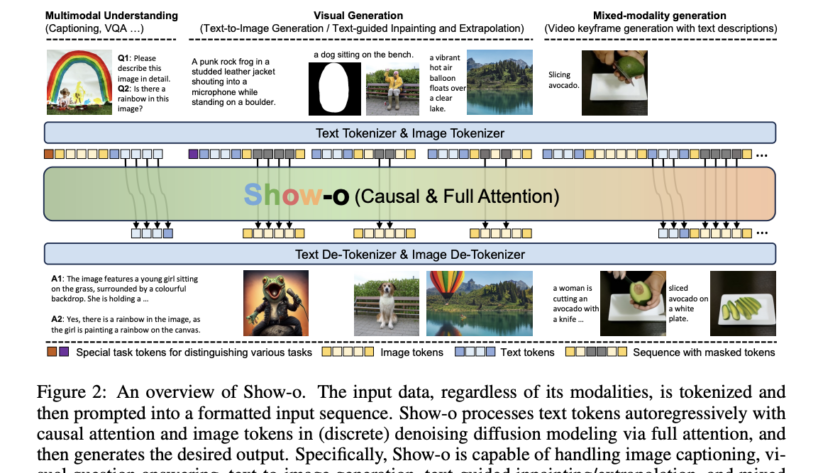
This paper introduces Show-o, a unified transformer model that integrates multimodal understanding and generation capabilities within a single architecture. As artificial intelligence advances, there’s been significant progress in multimodal understanding (e.g., visual question-answering) and generation (e.g., text-to-image synthesis) separately. However, unifying these…
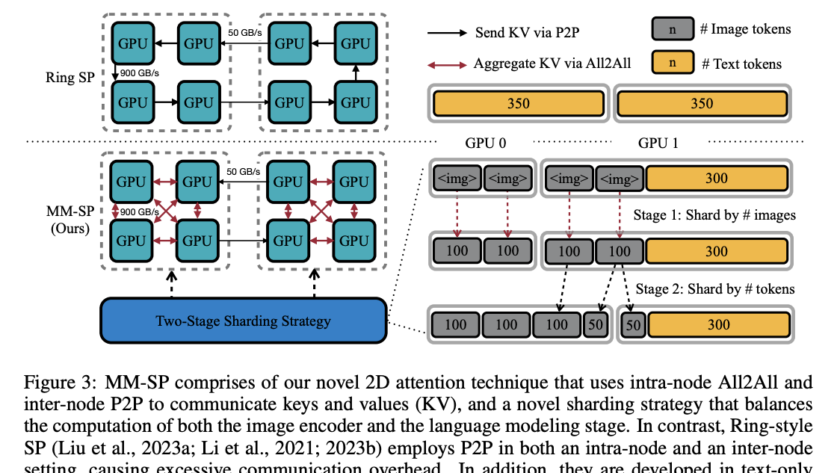
The main challenge in developing advanced visual language models (VLMs) lies in enabling these models to effectively process and understand long video sequences that contain extensive contextual information. Long-context understanding is crucial for applications such as detailed video analysis, autonomous systems, and real-world AI implementations where tasks require the comprehension of complex, multi-modal inputs over…